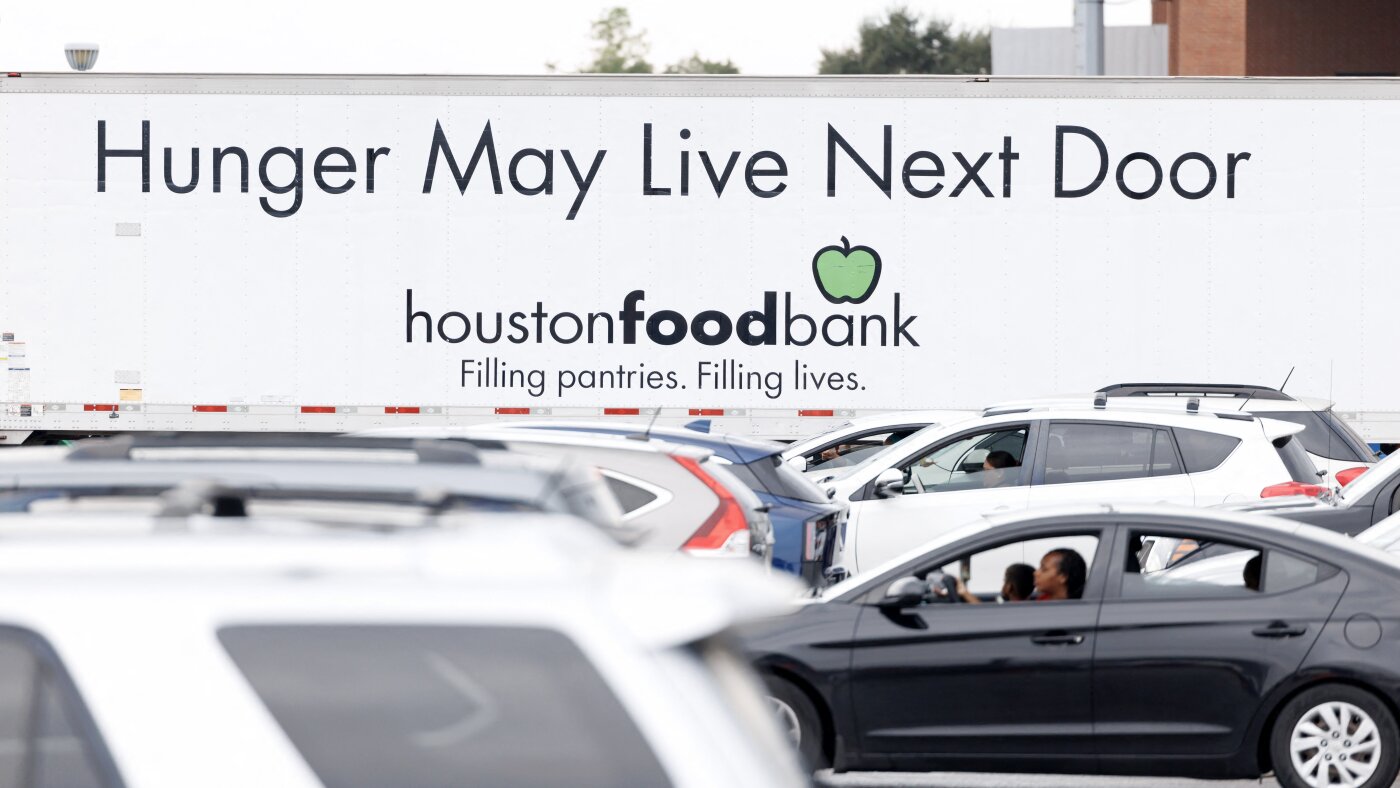
Food Insecurity Fed Survey - highlights evolving market conditions, trading behavior, and financial developments. A new survey from the Federal Reserve Bank of New York indicates that food insecurity currently affects more families than at the height of the COVID-19 pandemic. The findings underscore the persistent economic strain on households despite the broader economic recovery.
Live News
Food Insecurity Fed Survey - highlights evolving market conditions, trading behavior, and financial developments. Investors who track global indices alongside local markets often identify trends earlier than those who focus on one region. Observing cross-market movements can provide insight into potential ripple effects in equities, commodities, and currency pairs. According to a recently released survey by the Federal Reserve Bank of New York, the share of households experiencing food insecurity has risen above the peak levels observed during the coronavirus pandemic. The survey, part of the bank’s ongoing monitoring of consumer expectations, measures the ability of households to afford adequate food. The latest data suggest that rising costs for groceries and other essentials have outpaced income growth for many families, reversing the improvement seen in the immediate post-pandemic period. The New York Fed noted that the increase was broad-based across demographic groups, though lower-income households reported the greatest difficulty. The survey did not provide a specific percentage but highlighted a clear trend of deteriorating food access.
Food Insecurity Levels Surpass Pandemic Peaks, New York Fed Survey Reveals Scenario-based stress testing is essential for identifying vulnerabilities. Experts evaluate potential losses under extreme conditions, ensuring that risk controls are robust and portfolios remain resilient under adverse scenarios.Real-time analytics can improve intraday trading performance, allowing traders to identify breakout points, trend reversals, and momentum shifts. Using live feeds in combination with historical context ensures that decisions are both informed and timely.Food Insecurity Levels Surpass Pandemic Peaks, New York Fed Survey Reveals Risk-adjusted performance metrics, such as Sharpe and Sortino ratios, are critical for evaluating strategy effectiveness. Professionals prioritize not just absolute returns, but consistency and downside protection in assessing portfolio performance.Historical volatility is often combined with live data to assess risk-adjusted returns. This provides a more complete picture of potential investment outcomes.
Key Highlights
Food Insecurity Fed Survey - highlights evolving market conditions, trading behavior, and financial developments. Risk management is often overlooked by beginner investors who focus solely on potential gains. Understanding how much capital to allocate, setting stop-loss levels, and preparing for adverse scenarios are all essential practices that protect portfolios and allow for sustainable growth even in volatile conditions. The key takeaway is that the economic aftershocks of the pandemic—combined with elevated inflation—continue to weigh on household budgets. This trend could have implications for consumer discretionary spending, as families may allocate more of their income to food and basic necessities. Grocery retailers and discount stores might see sustained demand, while higher-end food retailers could face headwinds. Additionally, the data may inform discussions on government food assistance programs, such as SNAP, as policymakers consider adjustments to benefit levels. The findings also suggest that the labor market recovery, while strong, has not fully offset the impact of higher prices on living standards for some segments of the population.
Food Insecurity Levels Surpass Pandemic Peaks, New York Fed Survey Reveals Analytical dashboards are most effective when personalized. Investors who tailor their tools to their strategy can avoid irrelevant noise and focus on actionable insights.Effective risk management is a cornerstone of sustainable investing. Professionals emphasize the importance of clearly defined stop-loss levels, portfolio diversification, and scenario planning. By integrating quantitative analysis with qualitative judgment, investors can limit downside exposure while positioning themselves for potential upside.Food Insecurity Levels Surpass Pandemic Peaks, New York Fed Survey Reveals Traders frequently use data as a confirmation tool rather than a primary signal. By validating ideas with multiple sources, they reduce the risk of acting on incomplete information.Timing is often a differentiator between successful and unsuccessful investment outcomes. Professionals emphasize precise entry and exit points based on data-driven analysis, risk-adjusted positioning, and alignment with broader economic cycles, rather than relying on intuition alone.
Expert Insights
Food Insecurity Fed Survey - highlights evolving market conditions, trading behavior, and financial developments. Some investors use trend-following techniques alongside live updates. This approach balances systematic strategies with real-time responsiveness. From an investment perspective, persistent food insecurity could signal broader consumer stress that might influence spending patterns across multiple sectors. Companies in the food industry, particularly those serving value-conscious customers, may see relatively stable revenues, while luxury goods and travel could experience softer demand if the trend deepens. However, it is important to note that the survey reflects a snapshot of current conditions and does not necessarily predict a downturn. Economic data in the coming months—especially employment and inflation reports—would likely provide further clarity on whether this food insecurity trend stabilizes or worsens. Investors may monitor consumer sentiment indices and retail sales data for additional signals. As always, individuals should consider their own financial situations and risk tolerance before making any portfolio decisions. Disclaimer: This analysis is for informational purposes only and does not constitute investment advice.
Food Insecurity Levels Surpass Pandemic Peaks, New York Fed Survey Reveals Combining global perspectives with local insights provides a more comprehensive understanding. Monitoring developments in multiple regions helps investors anticipate cross-market impacts and potential opportunities.Diversification in data sources is as important as diversification in portfolios. Relying on a single metric or platform may increase the risk of missing critical signals.Food Insecurity Levels Surpass Pandemic Peaks, New York Fed Survey Reveals Historical volatility is often combined with live data to assess risk-adjusted returns. This provides a more complete picture of potential investment outcomes.The role of analytics has grown alongside technological advancements in trading platforms. Many traders now rely on a mix of quantitative models and real-time indicators to make informed decisions. This hybrid approach balances numerical rigor with practical market intuition.