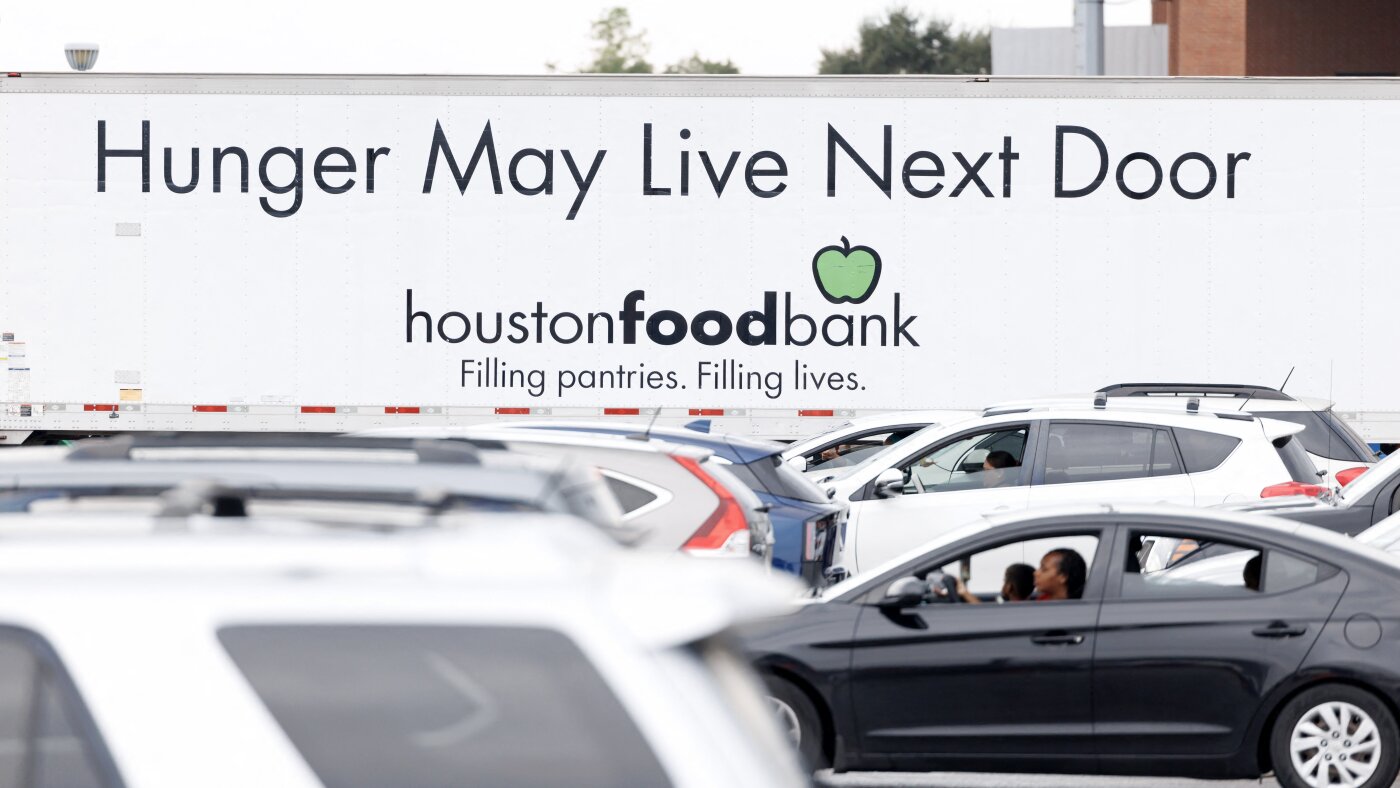
Food Insecurity Surges - market sentiment, risk appetite, and trading behavior tracking. A new survey from the Federal Reserve Bank of New York indicates that more American families are experiencing food insecurity now than during the height of the COVID-19 pandemic. The finding suggests persistent economic strain among low-income households, even as broader economic indicators show recovery.
Live News
Food Insecurity Surges - market sentiment, risk appetite, and trading behavior tracking. Real-time updates allow for rapid adjustments in trading strategies. Investors can reallocate capital, hedge positions, or take profits quickly when unexpected market movements occur. According to a recently released survey by the Federal Reserve Bank of New York, the share of households reporting food insecurity has risen above the level observed at the peak of the coronavirus pandemic. The survey measures households’ ability to afford enough food, and the latest data point to a deteriorating situation for many families. While the exact figures from the survey were not specified in the report, the trend signals that the economic aftershocks of the pandemic—including elevated inflation, rising interest rates, and the end of emergency food assistance programs—may be taking a toll on household budgets. The survey is part of the New York Fed’s ongoing efforts to track consumer well-being and financial stability. The report comes against a backdrop of mixed economic data: job growth remains resilient, but consumer sentiment has been sluggish and savings buffers have dwindled for lower-income groups. Food insecurity is often considered a lagging indicator of financial stress, and the latest reading suggests that the cost-of-living crisis may be deepening for vulnerable populations.
Food Insecurity in US Exceeds Pandemic Levels, New York Fed Survey Shows Investors often rely on a combination of real-time data and historical context to form a balanced view of the market. By comparing current movements with past behavior, they can better understand whether a trend is sustainable or temporary.While data access has improved, interpretation remains crucial. Traders may observe similar metrics but draw different conclusions depending on their strategy, risk tolerance, and market experience. Developing analytical skills is as important as having access to data.Food Insecurity in US Exceeds Pandemic Levels, New York Fed Survey Shows Diversification across asset classes reduces systemic risk. Combining equities, bonds, commodities, and alternative investments allows for smoother performance in volatile environments and provides multiple avenues for capital growth.Real-time data can reveal early signals in volatile markets. Quick action may yield better outcomes, particularly for short-term positions.
Key Highlights
Food Insecurity Surges - market sentiment, risk appetite, and trading behavior tracking. Understanding liquidity is crucial for timing trades effectively. Thinly traded markets can be more volatile and susceptible to large swings. Being aware of market depth, volume trends, and the behavior of large institutional players helps traders plan entries and exits more efficiently. Key takeaways from the New York Fed survey include the widening gap between headline economic growth and the lived experience of many households. While inflation has moderated from its 2022 peak, food prices remain elevated, and the cumulative impact of higher costs appears to be pushing more families into food hardship. The survey also highlights a potential shift in consumer behavior: as households prioritize necessities, discretionary spending may face further headwinds. This dynamic could weigh on sectors such as retail, restaurants, and entertainment, which rely on consumer confidence and disposable income. From a policy perspective, the data may renew debate about the need for targeted assistance programs. The expiration of expanded SNAP benefits and other pandemic-era safety nets could be contributing to the rise in food insecurity. The Federal Reserve’s interest rate policy also plays a role, as higher borrowing costs can squeeze household budgets indirectly.
Food Insecurity in US Exceeds Pandemic Levels, New York Fed Survey Shows Some traders rely on patterns derived from futures markets to inform equity trades. Futures often provide leading indicators for market direction.Combining different types of data reduces blind spots. Observing multiple indicators improves confidence in market assessments.Food Insecurity in US Exceeds Pandemic Levels, New York Fed Survey Shows Access to continuous data feeds allows investors to react more efficiently to sudden changes. In fast-moving environments, even small delays in information can significantly impact decision-making.Access to multiple indicators helps confirm signals and reduce false positives. Traders often look for alignment between different metrics before acting.
Expert Insights
Food Insecurity Surges - market sentiment, risk appetite, and trading behavior tracking. Many investors underestimate the psychological component of trading. Emotional reactions to gains and losses can cloud judgment, leading to impulsive decisions. Developing discipline, patience, and a systematic approach is often what separates consistently successful traders from the rest. For investors, the rise in food insecurity may offer clues about the broader economic trajectory. While the overall economy has proven resilient, the survey suggests that lower-income households are under renewed pressure, which could eventually ripple into consumer credit and savings metrics. Sectors tied to basic necessities—such as discount retailers, packaged food companies, and agricultural commodities—could see sustained demand from cost-conscious consumers. However, any further deterioration in household financial health might pose risks to sectors that depend on robust consumer spending. The survey serves as a reminder that recovery from the pandemic remains uneven. Policymakers and market participants may need to monitor these trends closely, as persistent food insecurity could signal deeper structural challenges in the labor market and social safety net. The situation warrants continued observation rather than immediate conclusions about the direction of the economy. Disclaimer: This analysis is for informational purposes only and does not constitute investment advice.
Food Insecurity in US Exceeds Pandemic Levels, New York Fed Survey Shows Volume analysis adds a critical dimension to technical evaluations. Increased volume during price movements typically validates trends, whereas low volume may indicate temporary anomalies. Expert traders incorporate volume data into predictive models to enhance decision reliability.Investors often experiment with different analytical methods before finding the approach that suits them best. What works for one trader may not work for another, highlighting the importance of personalization in strategy design.Food Insecurity in US Exceeds Pandemic Levels, New York Fed Survey Shows Monitoring multiple timeframes provides a more comprehensive view of the market. Short-term and long-term trends often differ.Some investors use trend-following techniques alongside live updates. This approach balances systematic strategies with real-time responsiveness.